Why a quiet stone is often the better choice
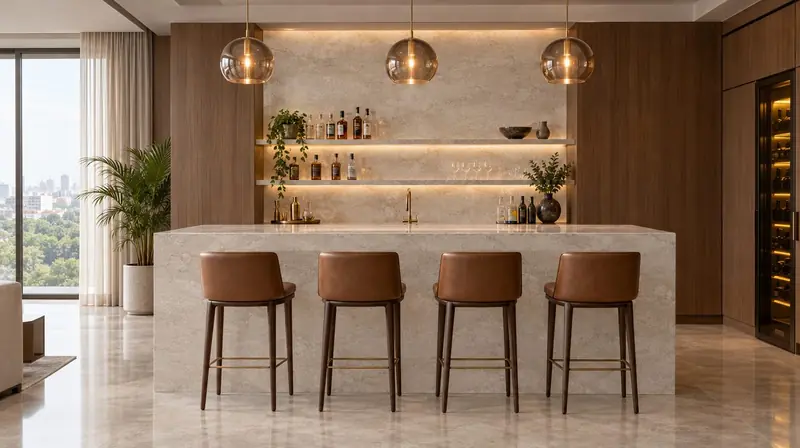
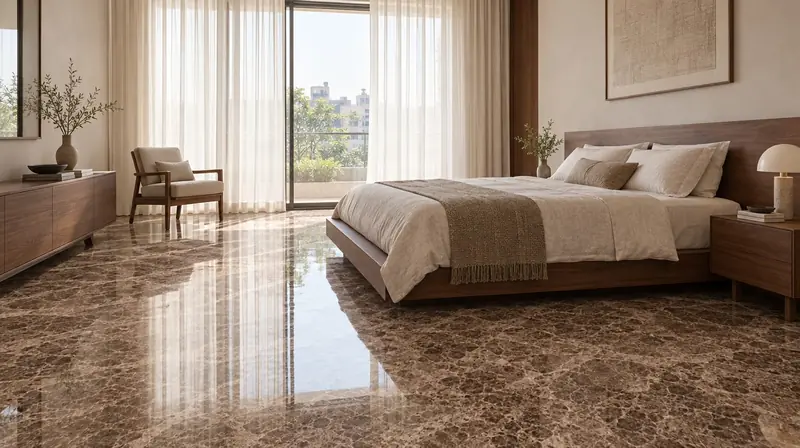
A plain, even stone is often the better choice for large areas because it lets the light, the furniture and the people carry the interest of a room. Dramatic stones get the attention, but some of the most beautiful rooms use quiet, even marbles and granites.
A calm stone also tends to age well. A bold pattern that feels exciting in the showroom can feel busy after a few years, while a soft cream, a gentle grey or a deep black rarely goes out of fashion. It makes the room easier to change around, because new sofas, curtains and art all sit comfortably against it.
What plain really means
Plain does not mean dull, and it does not mean identical. Even a quiet marble has soft clouding, small shifts of tone and a few fine lines. These small movements are what make a large floor look alive instead of printed.
The real test is consistency. In a plain stone you want slabs that sit close together in tone, so the join between two pieces is hard to see. Check this by looking at several slabs of the same lot together, not one in isolation. Where the range between slabs is wide, ask whether they can be laid in sequence so the change is gradual.
Where to spend
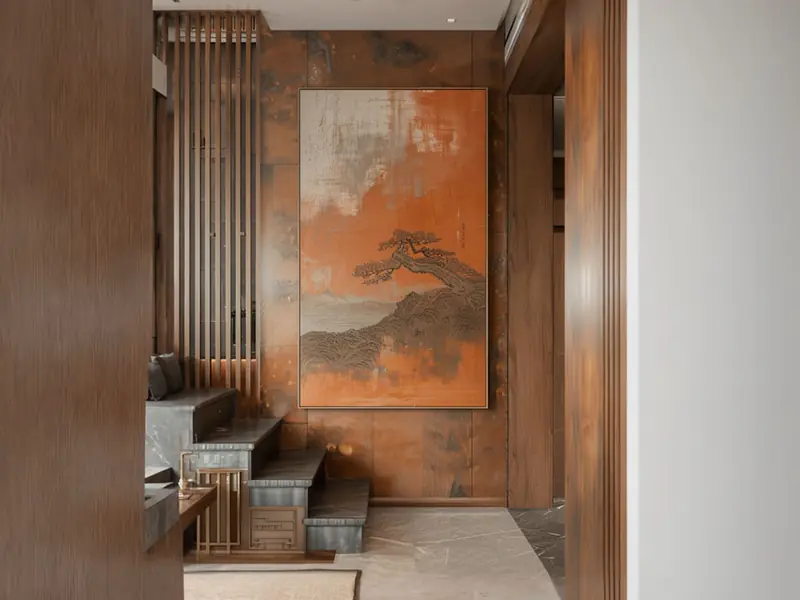
Many clients pair a calm stone across large areas with one expressive slab where it will be seen: a vanity, a fireplace or an entrance wall. This keeps the budget focused. Large areas use a lot of stone, so a simple one there leaves room for something special in a small place, where a single slab can make a real statement.
The price of any stone depends on its type, origin, grade and thickness, and on how much you need. A calmer stone usually costs less than a rare, strongly figured one, which frees money for the feature. Ask us about marble prices in Delhi and what moves them.
Quiet stones worth looking at
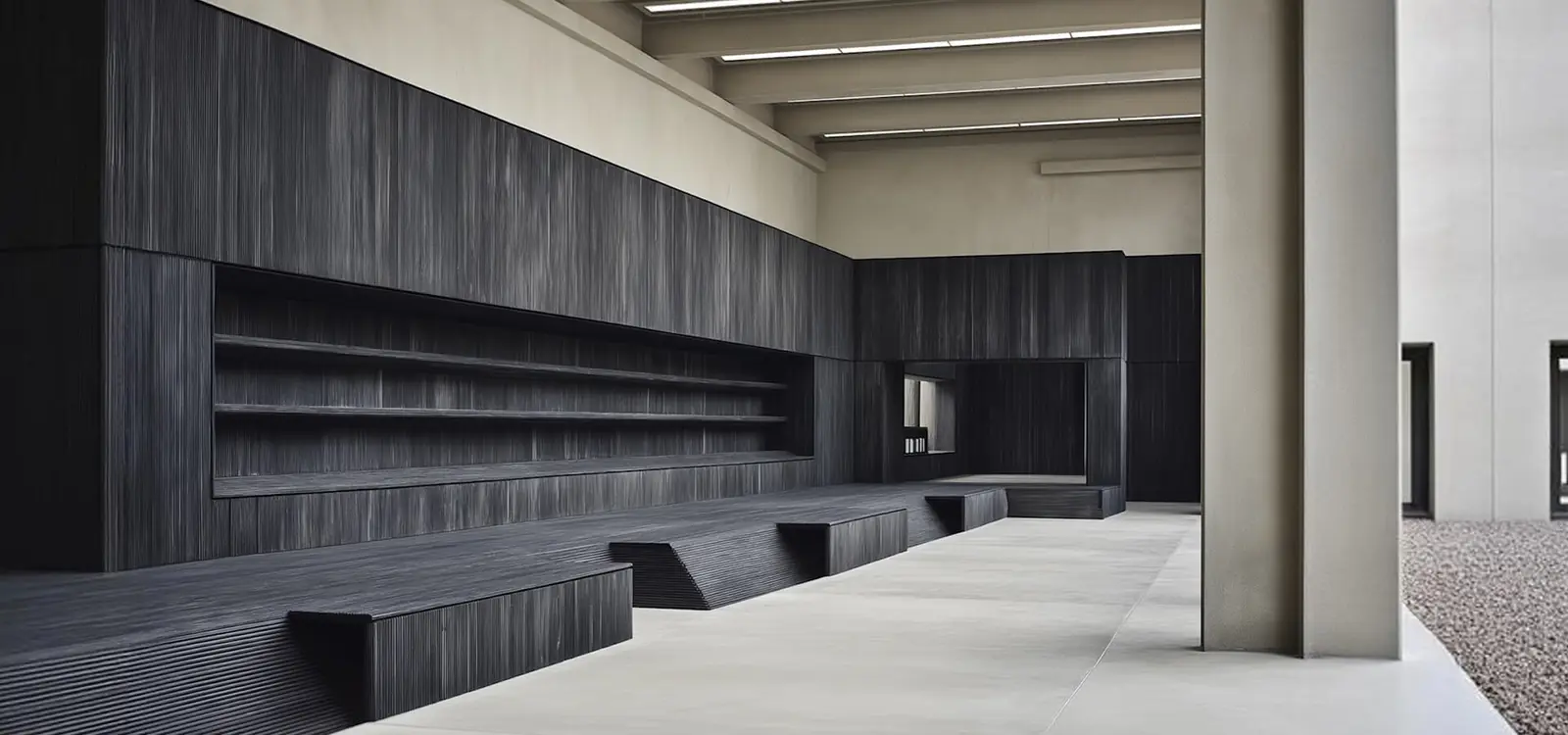
For marble, Snow White, from Ambaji in Gujarat, is a clean white that suits floors, and Regal Beige, from Kishangarh in Rajasthan, is a soft, warm beige. Cream Karaman comes from Karaman in Turkey. For a plain dark surface, Telephone Black from Chimakurthy in Andhra Pradesh is an even black granite.
If you prefer warmer tones, our guide to beige and cream marbles goes through what to expect, and the beige marble page lists the range.
Pairing calm with expressive
A good pairing keeps one rule: only one loud element per view. If the floor is plain, the wall behind a basin can carry veining. If the kitchen counter is a strong granite, keep the walls and floor quiet.
Translucent onyx is the classic accent, for example Tiger Onyx, imported from Isfahan in Iran. See the full slab before you commit, at our experience centre, and decide where it should sit in the room.
Plain stone and everyday life
A plain stone is forgiving in daily use. Small marks, light scratches and the occasional water ring are far less noticeable on an even surface than on a strongly patterned one, where every change interrupts the design. Families with children, rented homes and busy kitchens often find this the deciding factor.
There is a quieter benefit too: resale and renewal. Whoever lives in the house next will probably find a calm floor easier to accept than a bold one, and any future repainting or refitting will not have to fight with it.