Which Italian white marble should you choose?
There is no single best one. Carrara White is softer in look and more uniform, while Statuario is whiter with bolder grey veins, and the right choice depends on how much movement you want in the room.
Few stones have been specified for as long as the white marbles of Carrara. Their bright ground and grey veining still set the standard against which white marble is judged, and that is why Italian marble keeps returning to the shortlist even when other stones are cheaper or easier to maintain.
Carrara White: the quiet one
Carrara White has a pale, slightly cool ground with fine, feathery grey veins. Because the pattern is gentle, it is the usual choice for large floors, bathrooms and walls where you want the stone to calm a room rather than lead it.
It is also the easier white to live with in a practical sense. Small differences between one slab and the next are less noticeable when the veining is soft, so a big area looks even.
Carrara White is also a sensible first step into Italian marble for people who are unsure. It rarely feels out of place, it works with both warm and cool palettes, and it gives you a clear idea of how a Carrara stone ages before you commit to something more dramatic.
Statuario and the bolder whites
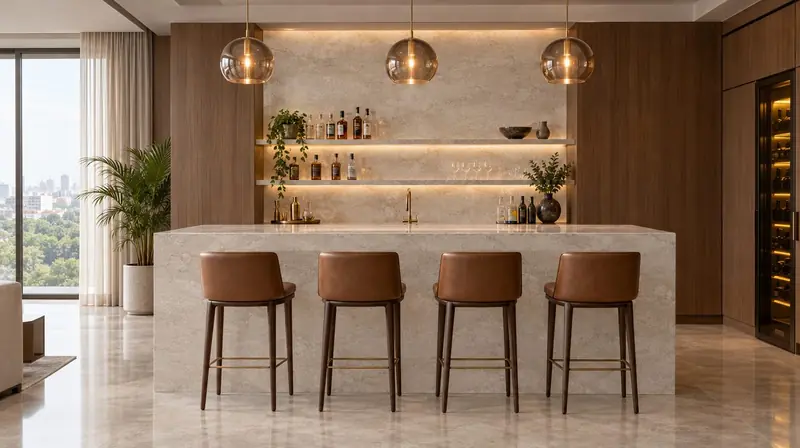
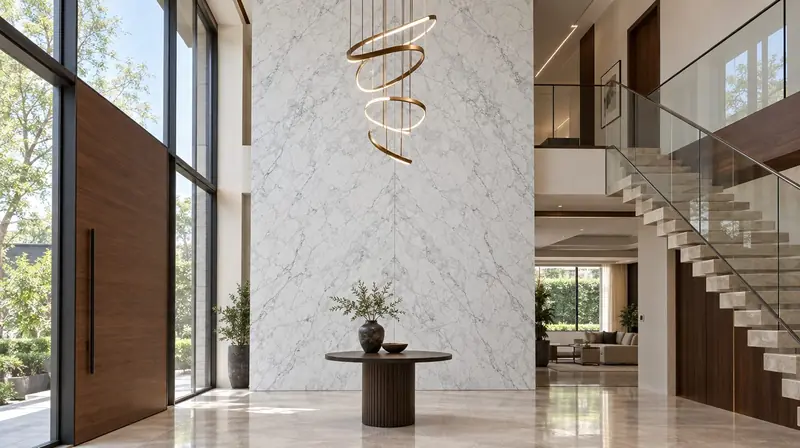
Statuario has a whiter background and stronger, more defined veins. It suits a feature wall, a kitchen island, a vanity or a single hero floor, where the pattern is meant to be seen and the slabs can be laid out with care.
Other Carrara-region whites in the range sit between the two in character: Venatino White carries clearly drawn veining, and Paonazzo is the dramatic, dark-veined end of the family. Seeing them side by side is the quickest way to learn which you prefer.
Warmer whites
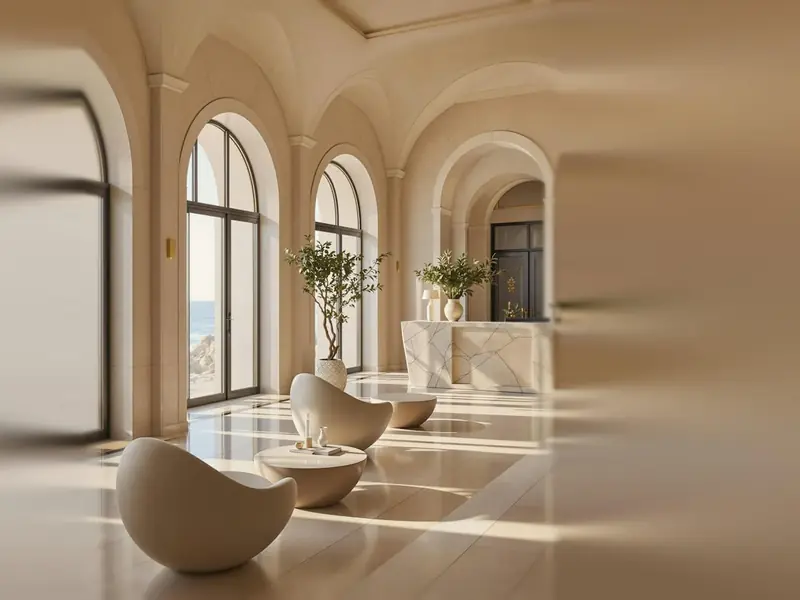
Not every Italian white is cold. Some lean towards cream or gold, and these feel kinder in rooms with warm lighting or wooden furniture. A pure white against yellow bulbs can look flat, while a warmer white looks settled.
Comparing a few samples in the light the room will actually have is worth more than any description. Browse the wider white marble options before you narrow down.
Living with white marble
Like every marble it is sensitive to acids. Seal it, wipe spills promptly, and it will develop a gentle patina over time. A honed finish tends to hide small etches better than a high polish, which matters in kitchens and bathrooms.
If you want to understand how those changes happen and how much to worry about them, read the difference between a stain and an etch.
For a floor, think about footfall: a busy hallway will show change sooner than a guest bedroom. For a counter, think about what is cooked and how often the surface is wiped. Matching the stone to the habit is more useful than avoiding marble altogether.
Selecting slabs and budgeting
Price follows rarity, and in white marble it is shaped by the clarity of the ground, the strength and spread of the veining, slab size, thickness, finish and how closely the slabs match. Two slabs of the same name can sit at quite different levels, so a quotation only makes sense once you have chosen specific slabs.
The experience centre near Rajouri Garden shows full slabs, and the ones you pick can be reserved in your name. Bring your plan and tell us where each piece will go.